Don't Clap, Throw Pennies: How Farms Can Collaborate With Their Value Chains to Share the Cost of Backing First Nations Communities
“This report could have been titled ‘Don't clap, throw pennies,’ something my paternal grandfather, Frank Williams, was known to say. It means congratulations won't pay the bills.”
Congratulations won't pay the bills. That's the blunt reminder behind a new Nuffield Australia report asking whether Australian farms, sitting right alongside First Nations communities on the land, are better placed than government or charity to back First Nations enterprise, if their value chain partners share the cost.
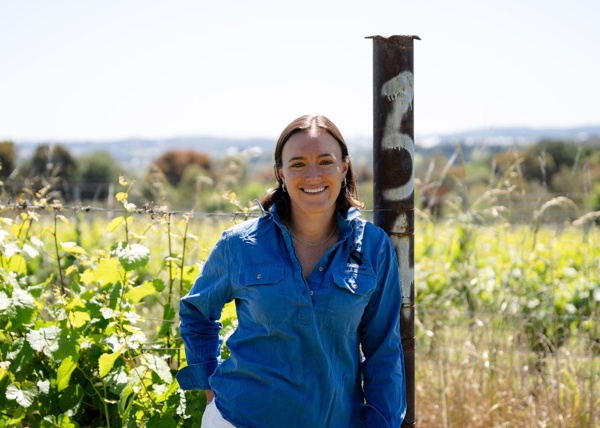
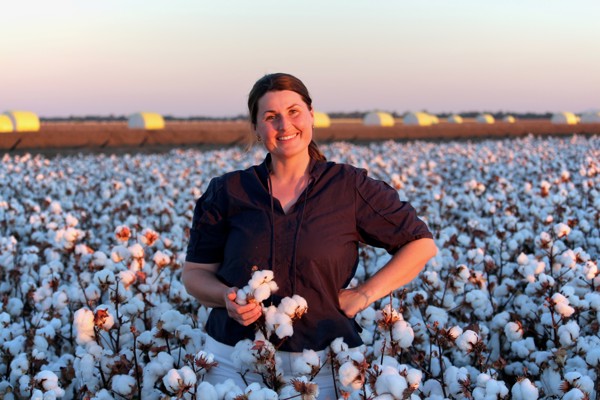
Tarun Richards, 2025 Nuffield Scholar, owns and operates Humpty Doo Barramundi, a barramundi aquaculture farm on the traditional lands of the Limilngan-Wulna people in the Northern Territory, with her husband Dan Richards, a 2016 Nuffield Scholar. Supported by the Fisheries Research and Development Corporation (FRDC) and ANZ, Tarun spent 18 months investigating collaborations across 15 countries to find out how farms and their value chain partners can share the costs, and the benefits, of supporting First Nations communities.
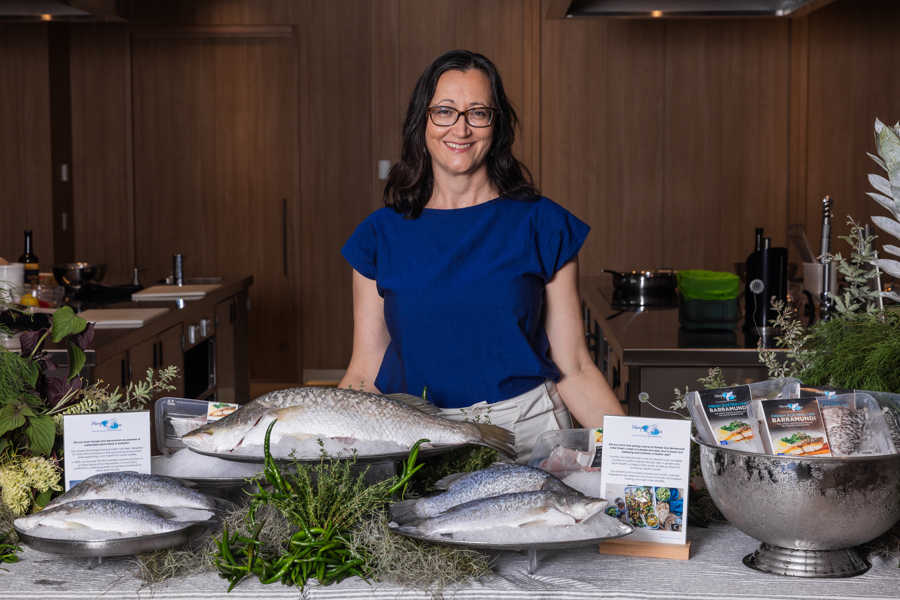
“I am passionate about healthy, sustainable protein and believe in the ability of people to power their own communities, rather than waiting for ‘someone,’ usually government, to do ‘something’ for them,” Tarun says.
Her report finds that the most durable community investment isn't charity, it's collaboration, where every partner in the value chain contributes something and gets something back, and the community is treated as a partner rather than a recipient. Tarun identified four models already working around the world: a shared fund that partners pay into, a neutral facilitator that pools capital and expertise, public-private partnerships, and co-ownership, where the community holds a genuine commercial stake.
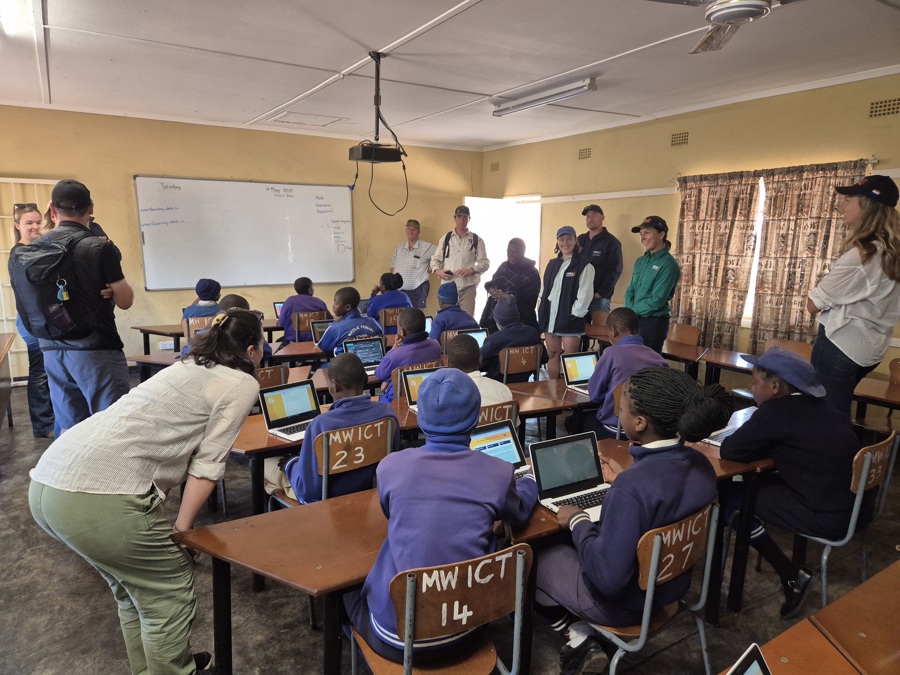
In British Columbia, Canada, Norwegian salmon farmer Mowi handed a smokehouse back to the Kitasoo Xai'xais Nation and built an agreement requiring 70% of the town to be employed for Mowi to keep operating. Employment in the town of Klemtu has risen from 5% to 95% since. Closer to home, Australian subscription business Who Gives A Crap has donated more than $13.3 million by building social purpose into its supply chain from day one.
“Could we connect organisations already doing this work with our value chain partners to deliver programs that benefit First Nations communities?” Tarun says. “We could make a lasting difference in the communities that need it most, and our partners could achieve the goals they've already committed to.”
Tarun's report sets out an eight-step framework for getting started: map your value chain and name the shared problem, find partners who share your values, start with a conversation rather than a contract, agree what success looks like before you begin, and design for self-sufficiency from day one so the work survives once the funding does.
Tarun's full report is available on the Nuffield Australia website. She will present her findings at the 2026 Nuffield National Conference in Darwin this September.