Making Every Drop Count: The New Playbook for Cotton Farming Under Water Pressure
“Semi-irrigated cotton deserves to be understood on its own terms: not a lesser, scarcity-driven version of irrigated cotton, but a deliberate system, scaling up or down with the water available.”
How much area do you plant when you don't know how much water you'll have to finish it? It's the single riskiest call an irrigated cotton grower makes each year, made earliest, with the least information, and hardest to walk back from. A new Nuffield Australia report finally puts hard numbers behind the answer, reshaping how the Australian cotton industry manages its single biggest constraint: water.
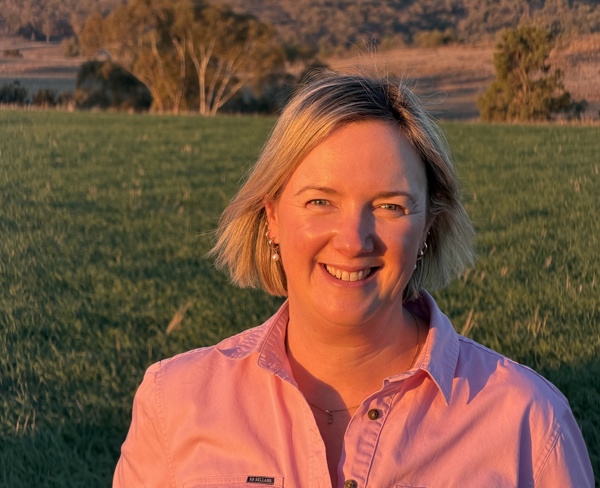
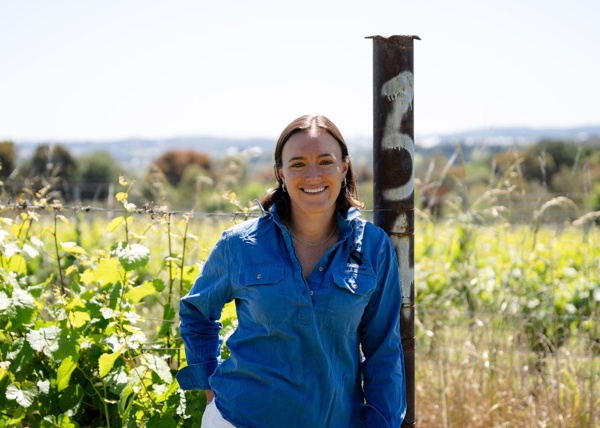
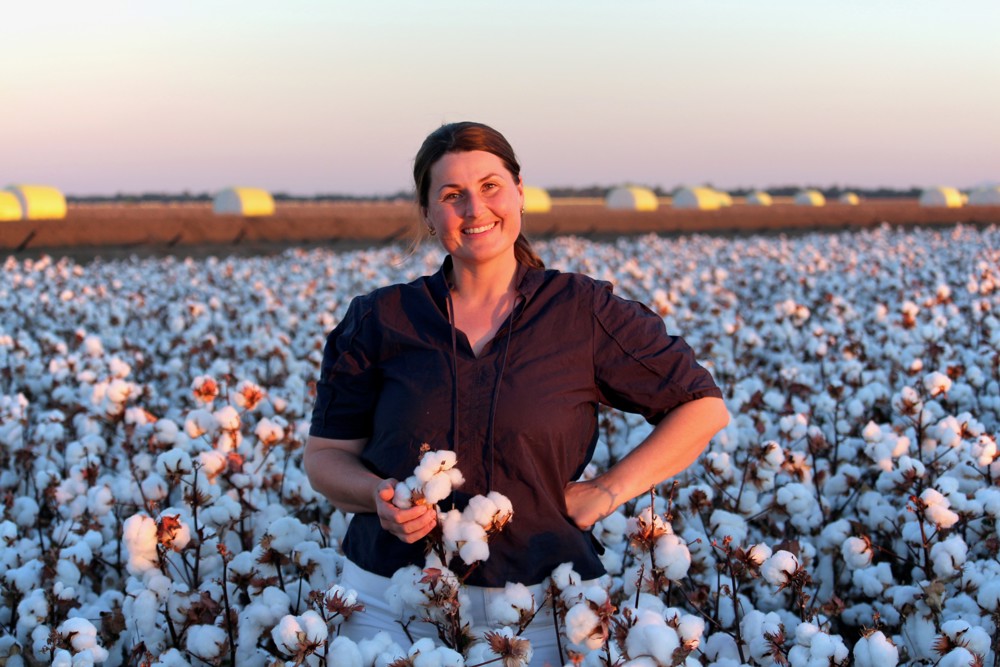
Kate Lumber, 2025 Nuffield Scholar and agronomist with Poole Ag Consulting in Moree, NSW, has spent her Scholarship investigating how Australia’s irrigated cotton industry can adapt to a tightening water supply, squeezed by both climate variability and policy-driven water recovery. Supported by Cotton Australia and the Cotton Research and Development Corporation (CRDC), Kate is the first industry-based Nuffield Scholar for the cotton sector.
“The 2018/19 drought hit our region as a 1-in-100-year event,” Kate says. “I spent those years driving around fallowed, hilled irrigation fields, talking to growers with no real way out short of a flood in the catchment.”
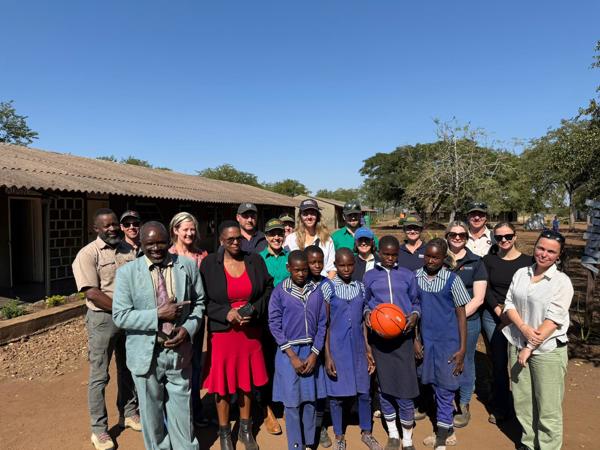
Kate’s research draws on eighteen months of conversations with growers, researchers and agronomists across four continents, including study tours through the United States, Brazil and Europe, alongside a survey of Australian cotton growers, agronomists and researchers from across the major NSW and Queensland cotton valleys.
“Australia is, in broadacre cropping terms, land rich and water poor,” Kate says. “Water is the single biggest limiting resource across much of our production area. The industry has made incredible efficiency gains, where cotton growers now use around half the water to produce a bale compared with 30 years ago. Arguably, we face our biggest challenge yet: a two-directional squeeze from climate change and water recovery through policy.”
Her report, Making Every Drop Count, is built around three chapters, Knowledge, Process and Application, moving from the science of water use efficiency to a single seasonal call: how much area to commit under a given allocation. Testing four strategies against real industry gross margin data, Kate found no single strategy wins every season. Her recommended hybrid model, backing the bulk of confirmed water into a fully irrigated priority area with a smaller deficit-irrigated block alongside it, gives growers the strongest balance of protected downside and retained upside.
“I wanted to understand what processes are needed to make good decisions under constraint,” Kate says. “That question shaped the seasonal decision matrix at the heart of this report.”
Kate's call to action is direct: treat area commitment as a strategic decision, not a default. Know your true cost of production before the season forces the question. Run the framework against your own numbers, a small shift in where the deficit lands can change the answer entirely.
“Research creates value when it changes a decision,” Kate says. “Over the course of this Scholarship, it changed mine – how I weigh evidence against instinct, how I synthesise information into decisions, and how I talk to growers about risk.”
Kate’s full report, Making Every Drop Count, is available on the Nuffield Australia website. She will present her findings at the 2026 Nuffield National Conferencein Darwin this September.