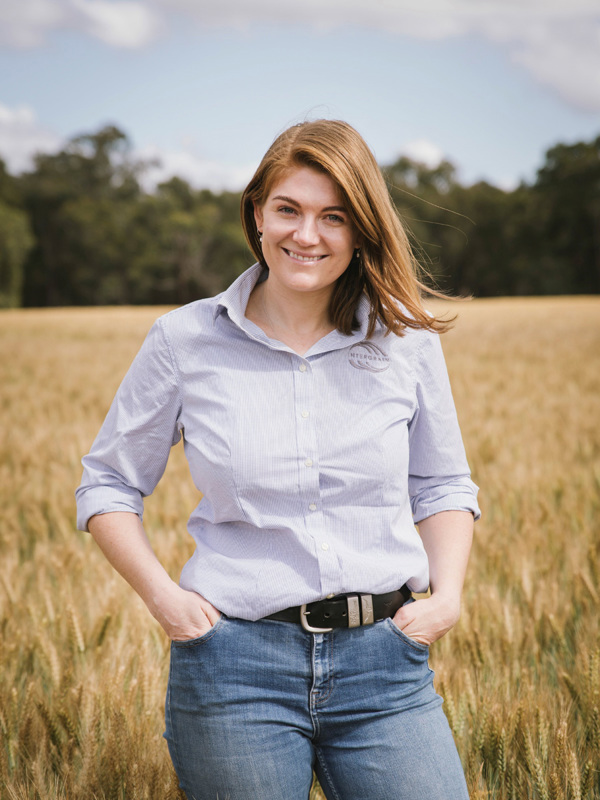
Natalie Schlitz
Undervalued and Overlooked: Why It's Time Australia Took Hay Seriously
Almost every farmer in Australia touches fodder, whether they grow it, buy it, or rely on it to get stock through a challenging season. Yet hay remains one of the most consistently undervalued tools in Australian agriculture, and that gap is costing the industry the recognition, data and investment it needs to face a hotter, drier future.
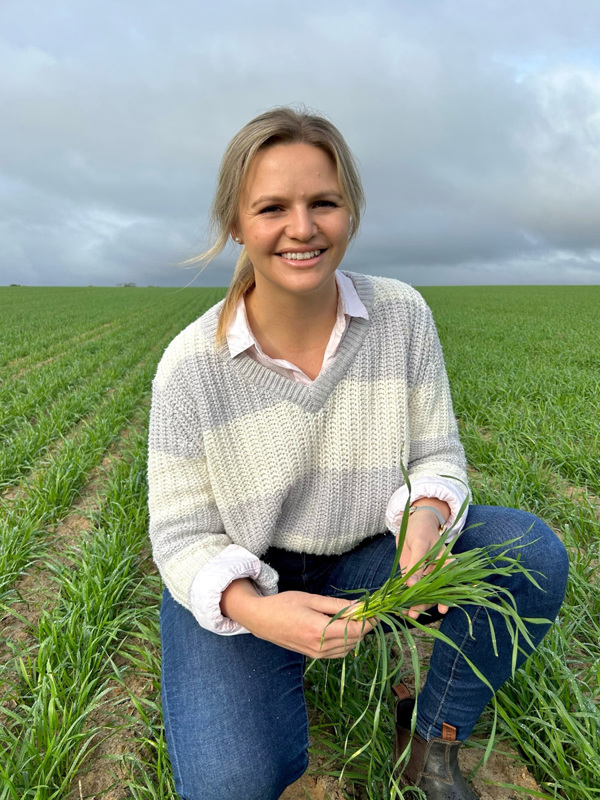
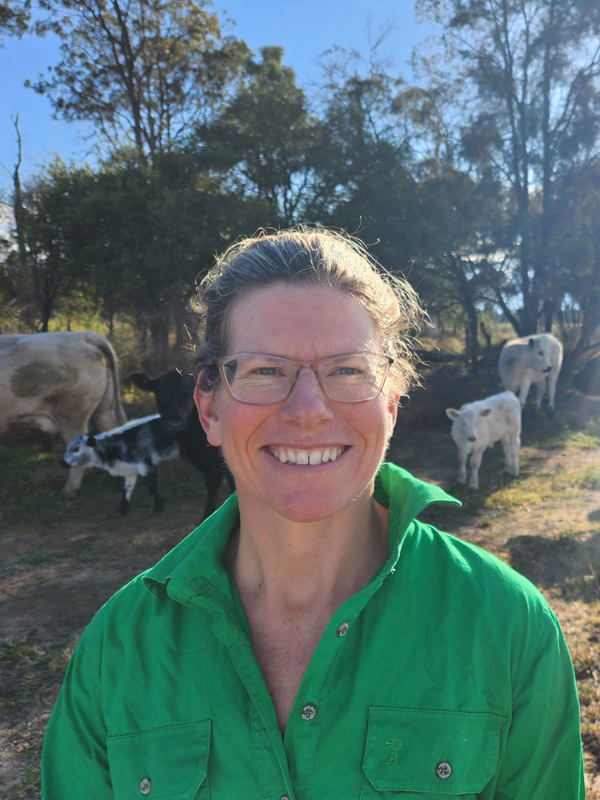
Natalie Schlitz, 2024 Nuffield Drought Resilience Scholar, farms with her family in Normanville, in Victoria's Southern Mallee. Ten years into a career spanning livestock health and welfare, commercial agronomy and agricultural project management, Natalie is now stepping into the family farming business. She travelled to the United States, Canada, Germany and Austria, among other countries, to find out why hay, one of Australian farming's most essential tools, remains one of its most overlooked.
“What I struggle to comprehend is why hay production is repeatedly undervalued at a national level,” Natalie says.
Her research found Australia exported between 10 and 15 per cent of the 5.2 million tonnes of fodder it produced in 2021–22, with the value of export hay more than doubling from $271.5 million in 2010 to $563.4 million in 2020. Despite this, only export fodder carries a dedicated levy, leaving the vast bulk of hay grown and used on Australian farms without a funding base for research and development.
In California's Imperial Valley, Natalie saw first-hand what happens when an industry’s social license is questioned. A 2023 investigation named 20 farming families whose extensive water use, despite being within their legal rights, triggered criticism hay producers are still working to recover from. It's a warning she says Australia's hay and agricultural industries more broadly can't afford to ignore.
Her report recommends the Australian hay industry build the data and transparency needed to demonstrate its economic and environmental contribution, invest in workforce and leadership development, and push for climate resilience extension and R&D funding that matches hay's role in helping farms recover from drought and flood.
“I have not an inch of doubt that hay will continue to play its part as an integral agronomic, economic and thus resilience tool in farming systems,” Natalie says. “The more exposure high-quality hay production has, the greater chance we have for its recognition as one of the fundamental pillars of Australian agriculture.”
Investor Information:
The $5 billion Future Drought Fund is an investment by the Australian Government to build drought resilience in Australia’s agriculture sector, landscapes and communities. Each year, $100 million is made available to help Australian farms and communities prepare for the impacts of drought.
Website: www.agriculture.gov.au/fdf