Rethinking the Rangeland: New Research Shows Regenerative Grazing Can Work for Low Rainfall Sheep Producers
"Regenerative grazing is not just a higher rainfall or cattle story. The results I saw in environments just like ours were staggering. If we manage our animals and our land differently, we can run more stock, build more resilience, and grow a better business."
A New South Wales merino producer is challenging long-held assumptions about regenerative grazing, bringing home evidence that the practice can deliver significant results for sheep enterprises operating in low rainfall, rangeland environments.
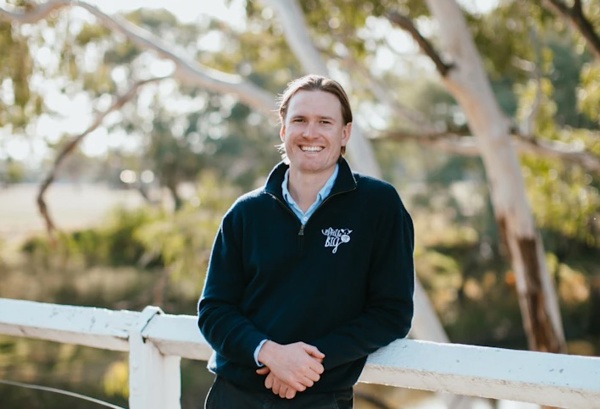
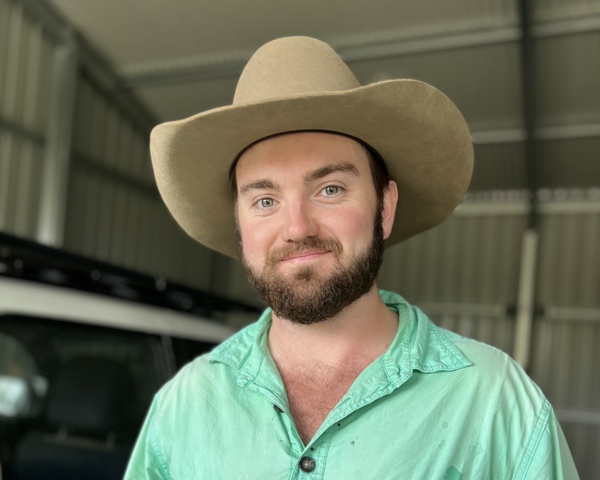
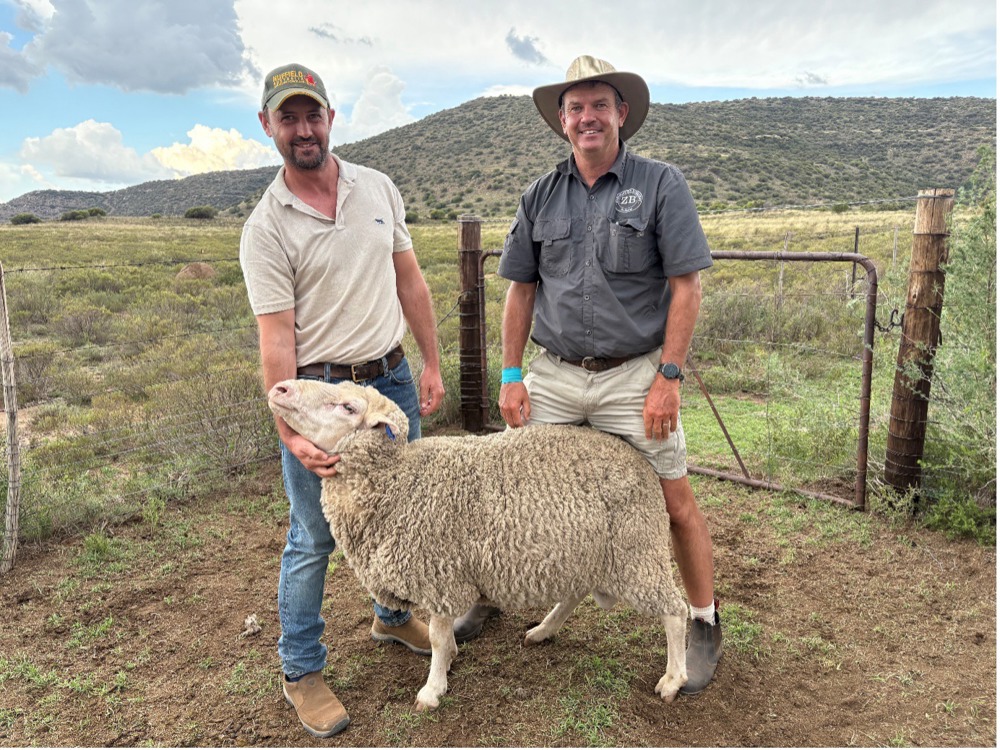
Thomas Hooke, 2020 Nuffield Scholar and operator of East Loddon Merino Stud at Wanganella in the western Riverina, has released a new report investigating whether regenerative grazing can be successfully adapted to Australia's low rainfall sheep country. Supported by Australian Wool Innovation (AWI), Tom's research took him to the United States and South Africa - two regions where producers are applying regenerative grazing in environments strikingly similar to his own.
"Our country receives around 350mm of rainfall a year. We graze on native pastures with no fertiliser and no renovated pasture. Rainfall dictates almost everything. So the biggest lever we have is how we manage our grazing animals - and that's exactly what regenerative grazing is about," Tom explains.
Regenerative grazing is built around managing four key ecosystem processes through the tools of timing, intensity, and diversity. Rather than setting and forgetting stocking rates, producers actively move stock in large mobs through smaller areas, allowing long rest periods that enable native pastures to recover, build soil health, and increase carrying capacity over time.
Tom visited sheep and cattle producers across Texas, Colorado, Wyoming, and through the Eastern and Northern Cape and Free State regions of South Africa - areas with low, erratic rainfall and native pasture systems that mirror the western Riverina. What he found was consistent and compelling.
"Property after property had increased their carrying capacity by 1.5 to almost three times what they were running under conventional management. The pastures were healthier, the stock were in good condition, and the businesses were genuinely profitable. These weren't fringe operators - they were serious producers who'd made a deliberate, informed decision to change how they graze."
One of the most significant questions Tom set out to answer was whether sheep-only systems could achieve the same results as mixed enterprises. The answer was a qualified yes - but with an important caveat.
Sheep producers in South Africa running dedicated rotational grazing programs had lifted their carrying capacity by 1.5 times. However, properties that introduced cattle into the system alongside sheep consistently achieved greater gains, with some reaching up to three times their original capacity. Cattle's heavier hoofprint and less selective grazing habit makes them a more effective tool for soil disturbance and pasture utilisation.
"The message wasn't that sheep can't do it - they can. But if you have the opportunity to run cattle alongside your sheep, even at a modest ratio, you're likely to see a much greater return," Tom says.
His report also addresses the practical steps involved in getting started. Tom recommends producers begin with formal training to understand the principles before making changes, start with the most productive part of the farm rather than trying to restore degraded country first, and trial the system on a portion of the property before expanding. Electric fencing is highlighted as a cost-effective way to create the additional paddock subdivisions needed to manage mob movement.
Matching stocking rate to carrying capacity - and having the discipline to destock when necessary during dry periods - is identified as one of the most important skills in making a regenerative grazing system work. Tom found that producers running these systems were also more resilient through drought, able to grow more grass per millimetre of rainfall and better equipped to make timely decisions about stock numbers.
Tom's full report, Adapting Regenerative Grazing for Low Rainfall Sheep Production, is now available on the Nuffield Australia website. He will present his research at the 2026 Nuffield National Conference in Darwin in September.