Opening the farm gate: new pathways for first and next-generation ownership
“Farmland and fishing quota have delivered exceptional long-term returns. The challenge now is making ownership attainable for the next wave of producers. We can do this with smarter structures, practical business models and policy that matches today’s reality,”
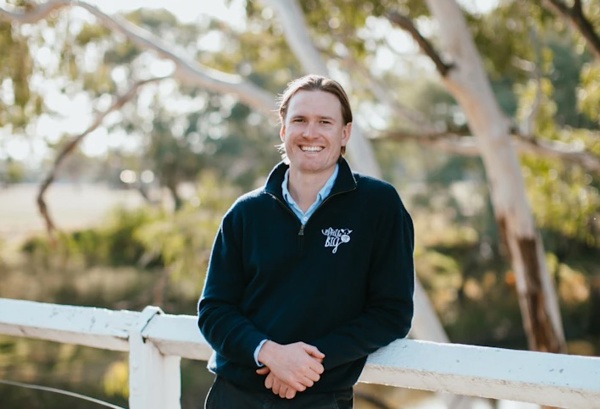
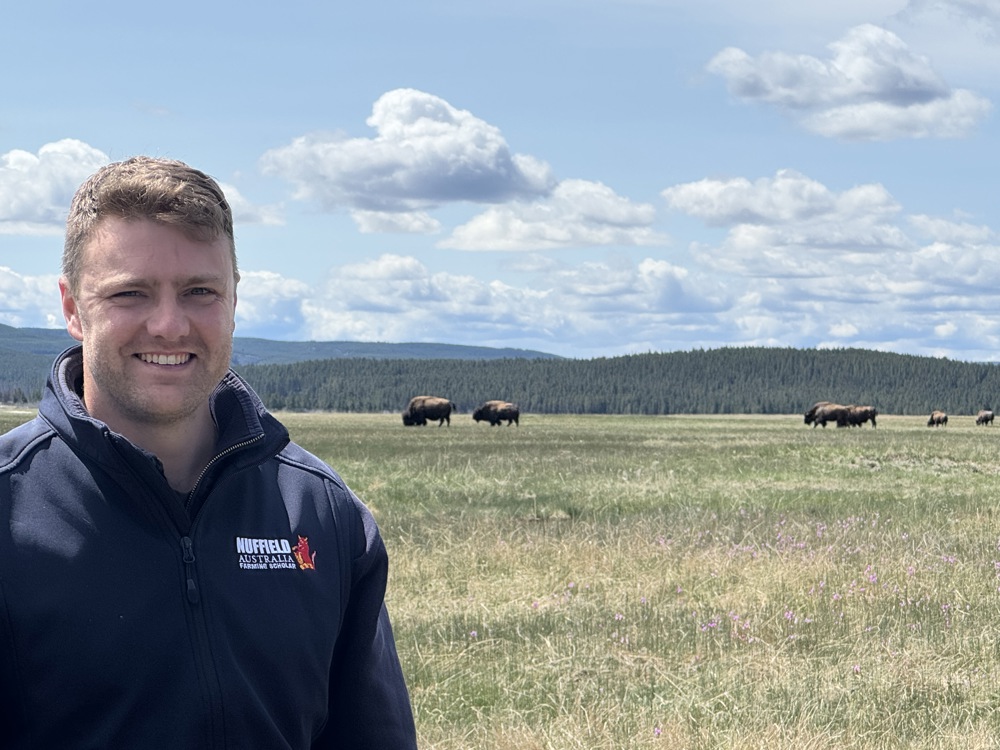
South Australian scholar Tom Cosentino, supported by Fisheries Research and Development Corporation has released his Nuffield Australia report, examining how aspiring farmers and fishers can build equity and step into ownership despite rising land and quota values and shifting demographics across agriculture and seafood.
Drawing on case studies from Australia, New Zealand, Canada, the United States, the United Kingdom, Ireland and Kenya, Tom highlights practical ownership pathways that are already working in the field. These include syndicates with shadow equity for high-performing managers, share milking and share farming and fishing models, employee share schemes, land trusts, estate freezes, and hub-and-spoke home-base farms that leverage leased country. He also profiles enterprise stacking, targeted land-use change and catalytic finance that rewards measurable environmental and social outcomes.
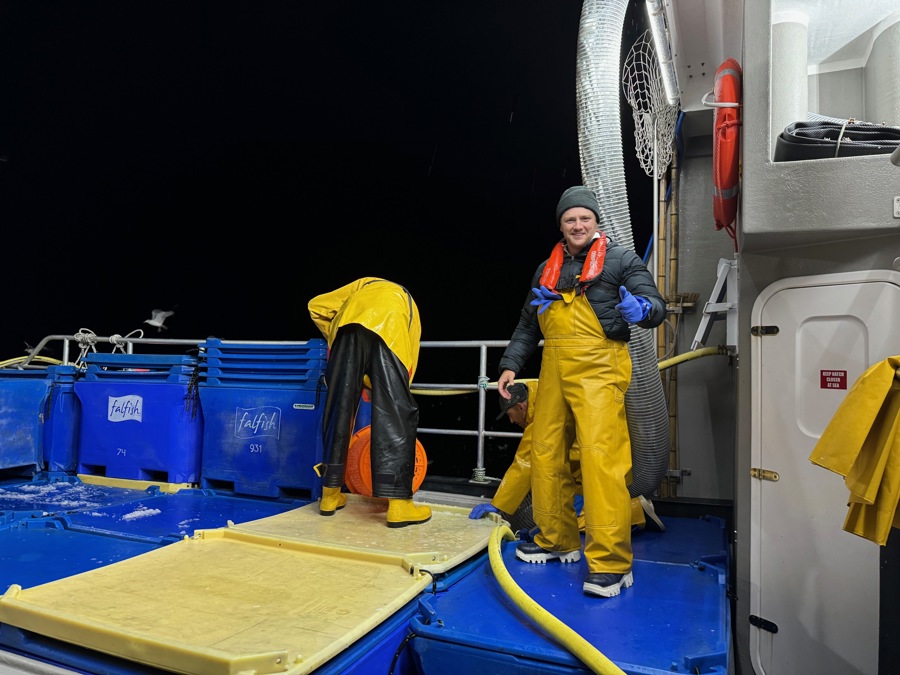
“The old formula of buying the farm with standard debt and servicing it from farm income alone is increasingly unworkable for new entrants,” Tom says. “But when you blend the right entity structure with a fit-for-purpose business model and a genuine people strategy, ownership becomes possible. This is about passing the baton, not closing the track.”
The report sets out a suite of policy recommendations designed to ease entry without disadvantaging established businesses. Tom calls for a Parliamentary Standing Committee inquiry into intergenerational transfer and new entrants in farming and fishing, expanded land and quota matching services, refreshed young-farmer finance that recognises off-farm income and character-based lending, removal of income caps that prevent genuine start-ups from offsetting primary production losses, targeted quota allocations when fisheries reform to ITQs, and stable funding for youth organisations that grow the talent pipeline.
“First and next-generation producers bring fresh skills, different risk profiles and a willingness to work across sectors. If we modernise the settings and scale what already works, we’ll strengthen food security, regional economies and environmental performance,” Tom says.
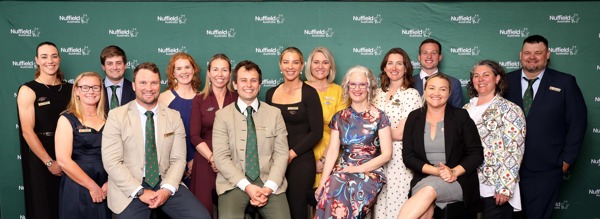
Tom presented his findings at the 2025 Nuffield National Conference in Adelaide, South Australia, sharing global examples of families and communities that have successfully transitioned assets to emerging owners while maintaining profitability and resilience.
The full report, including case studies and an overview of entity structures and business models, will be available on the Nuffield Australia website from today.