COP30 Reflections: Why Farmers Need a Seat at the Climate Table
"Why are you here?" asked a French banker when I mentioned I was a farmer attending COP30 in Belem, Brazil. It was a question that would echo throughout my week navigating the world's largest climate conference, and one that perfectly encapsulates why agriculture cannot afford to be absent from these conversations.
Attending my first COP, I arrived with questions about climate finance, policy, and agriculture's role in climate solutions. What I found was both inspiring and confronting. A complex web of negotiations, passionate frontline communities fighting for their survival, and a glaring gap where farmers' voices should be.
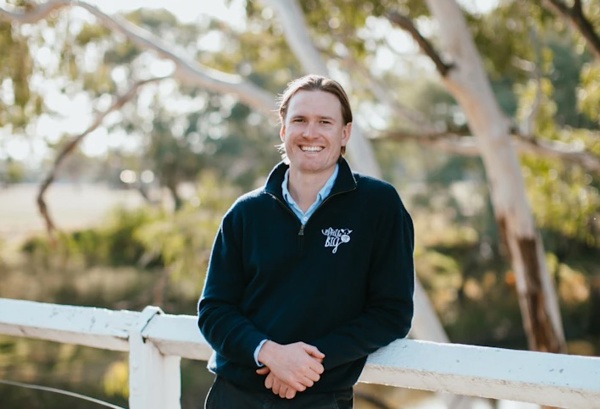
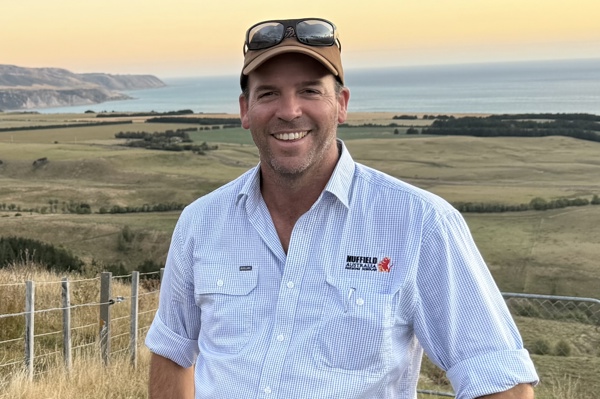
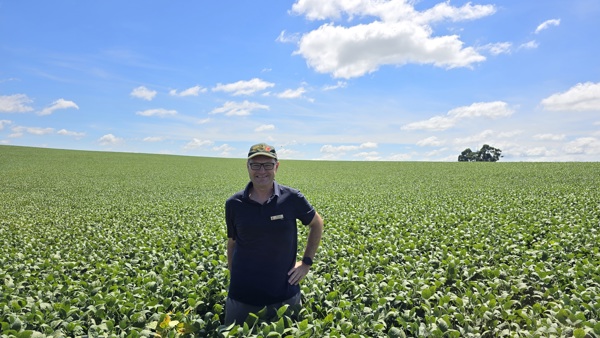
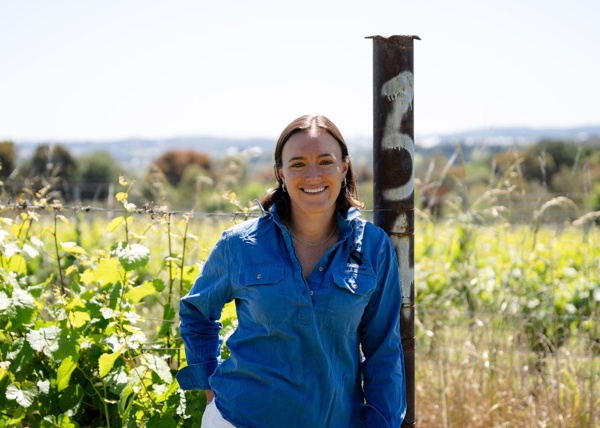
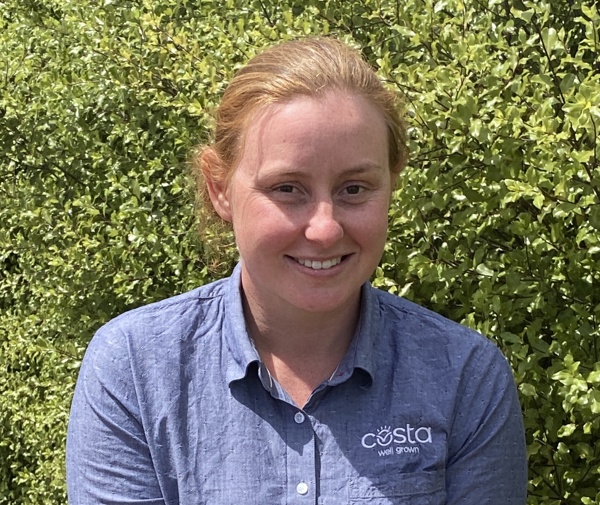
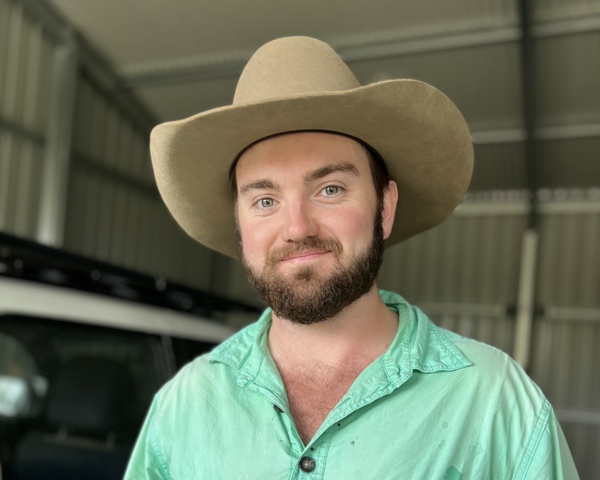
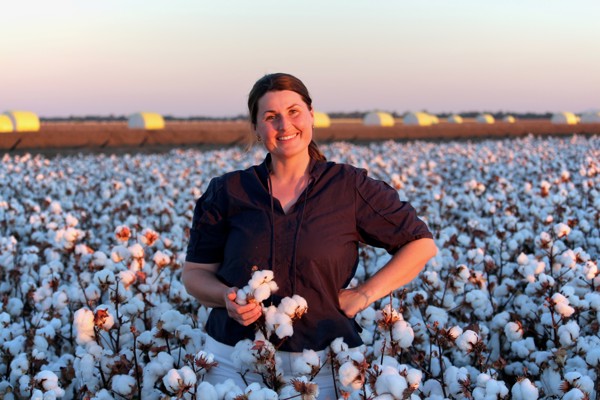
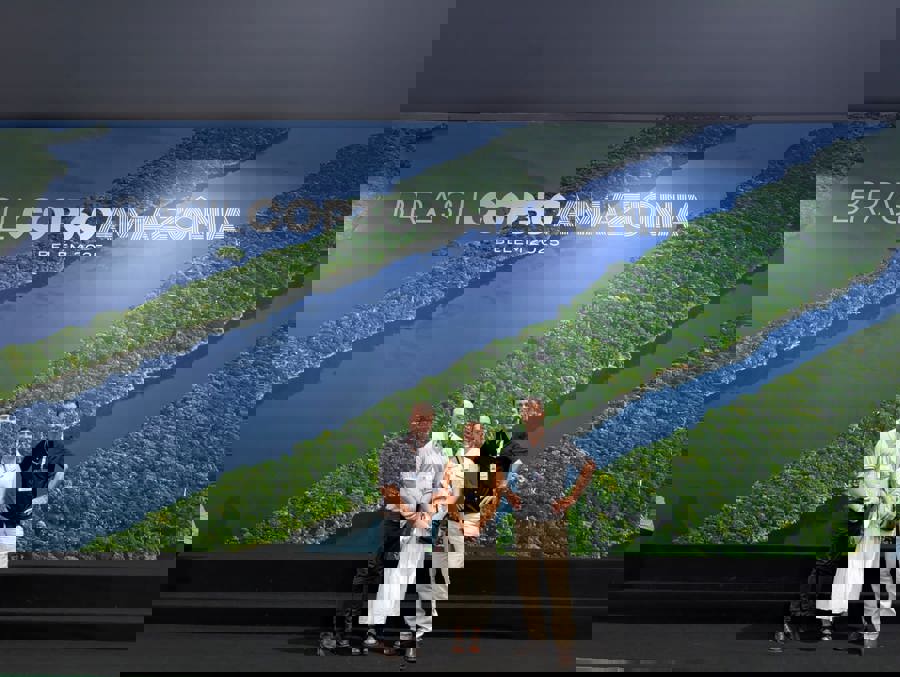 Michael Taylor, Joshua Gilbert and Maggie Jarrett at COP30 representing Farmers for Climate Action
 The Irony Wasn't Lost on Anyone
I learned that Belem's rainfall patterns have fundamentally changed. What was once predictable soft rain at 3pm daily now arrives as heavy downpours at any time. If nothing changes, Belem is set to become the second hottest city in the world after Jakarta. Most sobering of all, Brazil has one of the highest rates of advocacy killings globally, people are literally dying for speaking up about the Amazon.
There's something darkly poetic about discussing climate impacts in hot, stuffy pavilions while the Amazon unleashes torrential downpours outside. The irony deepened when the Pacific Islands pavilion flooded, and later, when part of the COP tent caught fire. Yet perhaps the greatest irony was watching oil and gas companies work their lobbying magic, while the very communities on the frontlines, including farmers, struggled to access the rooms where decisions were being made.
A Wake-Up Call for Australian Agriculture
These stark realities made me acutely aware of how fortunate we are in Australia. While we face significant threats from extreme weather events, we have democratic systems, infrastructure, and resources that farmers in many other countries can only dream of. Meeting farmers from Kenya facing dictatorships, or hearing about smallholder farmers who could be supported for less than the cost of sending delegates to COP, put our challenges in perspective.
But this privilege comes with responsibility. We cannot become complacent.
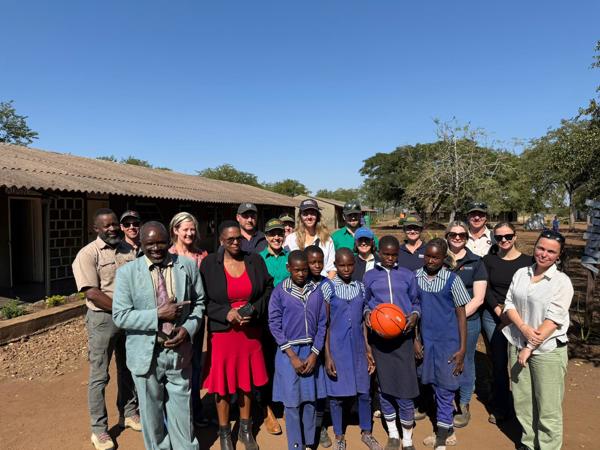
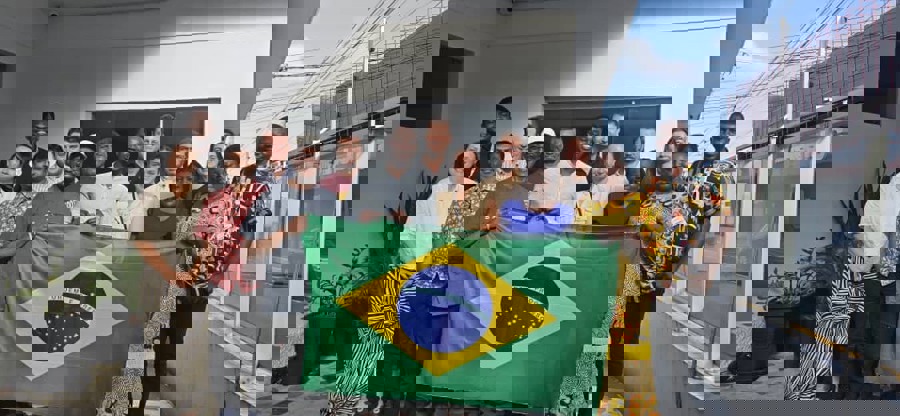 Global Alliance for the Future of Food Leaders outside our House in Belem, Brazil
 The Finance Gap and the Language Barrier
Here's a number that should concern every Australian farmer: 0-1% of global climate finance goes directly to farmers. We're seen as beneficiaries of projects, not as partners in the process. It would be valuable to understand what this looks like specifically in Australia, are we doing any better?
Compounding this issue is the challenge of language. Not just different languages, but the technical jargon and policy speak that's difficult enough when English is your first language. Navigating COPs' complexity requires dedication and support, which is why we need more diverse farming voices in these spaces, not just the usual lobby groups.
Where Agriculture Showed Up
Interestingly, the Agrizone a space funded by Brazil's agricultural research body Embrapa, separate from the official Blue Zone negotiations buzzed with energy and innovation. Here, agriculture was front and centre, education was happening, and solutions were being showcased. It raised an important question; where does agriculture actually have the most impact at COP?
What surprised me was the contradiction. Food systems still aren't adequately integrated into climate negotiations, yet the people there who have worked in this space for years were excited about how much more food system representation there was compared to previous years. We are making progress, but we are nowhere near where we need to be.
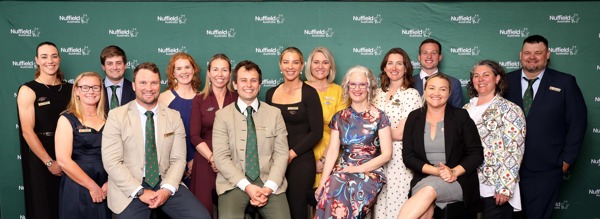
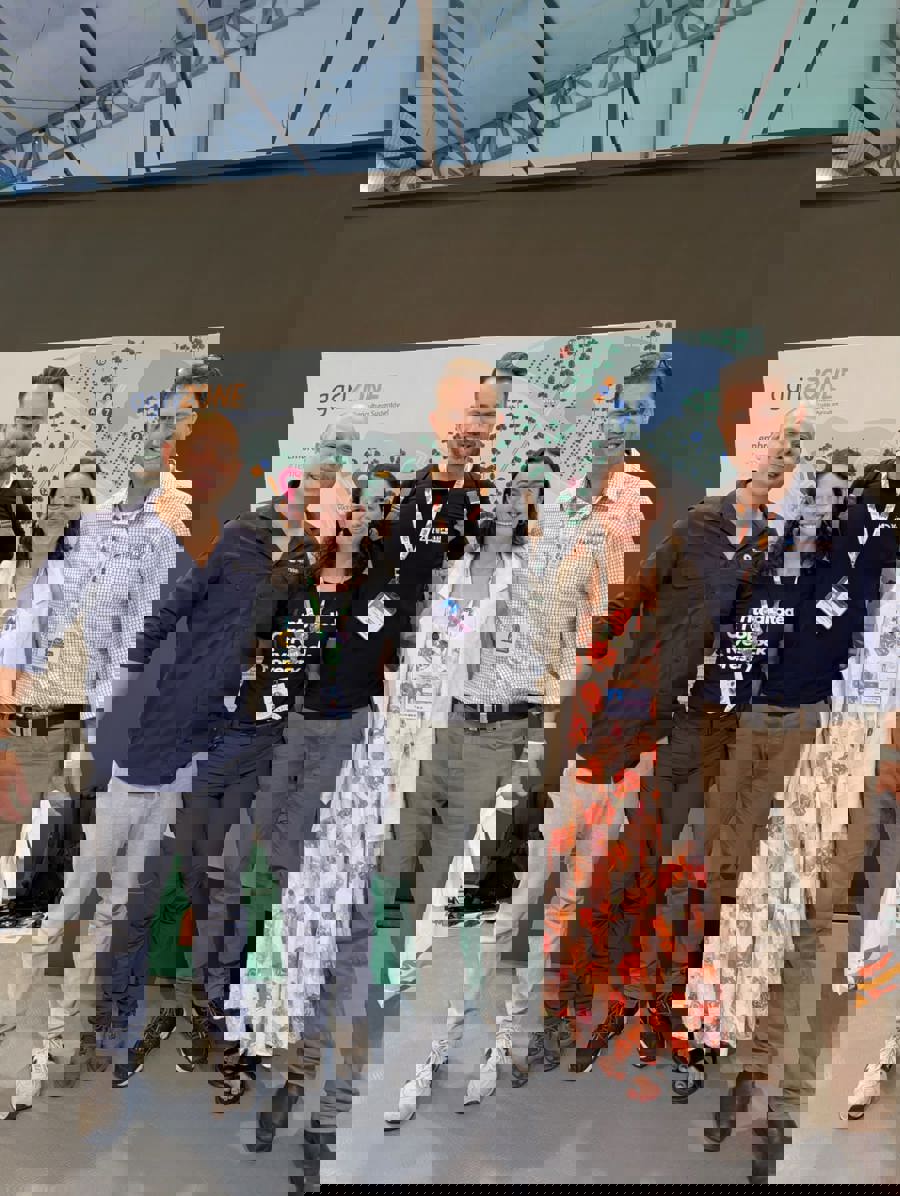 Nuffield Scholars meet up in the Agrizone at COP30
The Path Forward
The passion and dedication of frontline communities at COP was cup-filling, reminiscent of spending time with fellow Nuffielders. These are people who understand that food systems are among the most impacted by climate change, and that agriculture offers tremendous solutions. More importantly, they recognise that food systems must be integrated into every climate conversation. Food systems touch everything from nutrition and health to finance, jobs, and food security. Food systems are not just one piece of the climate puzzle, it's the thread that connects it all and agriculture is woven throughout food systems.
For Australian agriculture, the call to action is clear, we must continue to ensure we have a seat at the table, and not just at agricultural-focused events. We need to be in broader climate, finance, and policy spaces. We need our government to prioritise food systems in climate policy. Most critically, we need to understand who is advocating for us in these spaces and ensure diverse farmer voices not just corporate agriculture or lobby groups are being heard.
We have a functioning democracy and the infrastructure to make real change. We cannot afford to sit on the sidelines while others decide our future. Because if we are not in the room speaking, someone else will be and we need to make sure their agenda aligns with the reality of farming on the ground.