Building the Fence at the Top of the Cliff: Why Strong Communities Are a Farmer’s Best Wellbeing Strategy
“Community strengthening is not something that exists alongside wellbeing investment; it is a wellbeing strategy in itself and a powerful one at that.”
Rural Australia has no shortage of wellbeing programs. A basic directory lists more than seventy, yet the farmers they are designed for are often the ones who are missed, overwhelmed by the choice. Claire Catford’s Nuffield report argues the answer is not another program, but the everyday ties that already hold rural communities together.
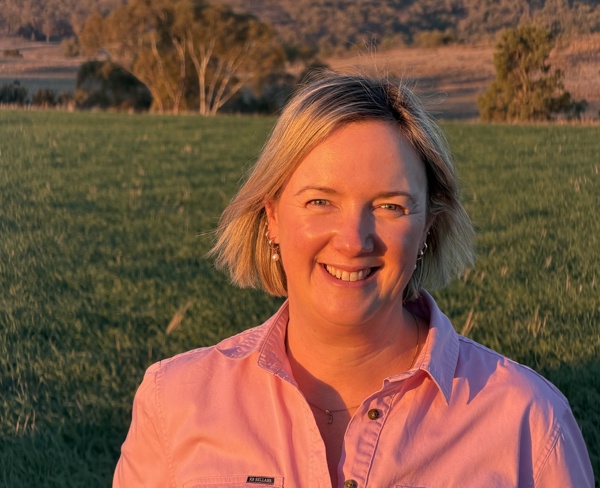
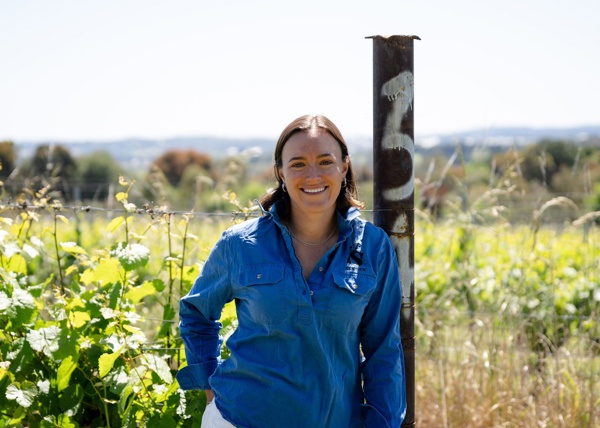
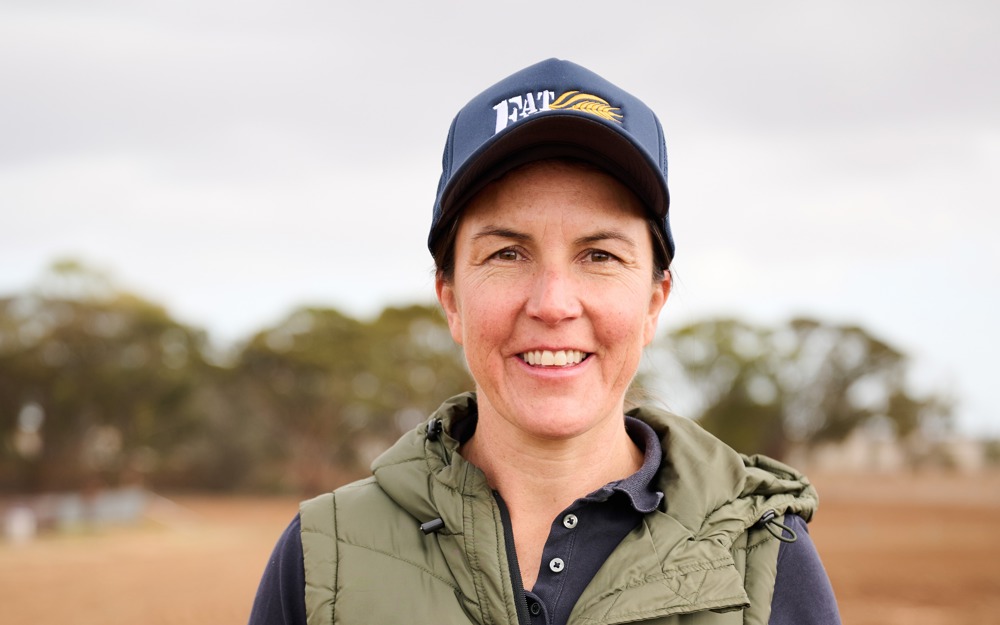
Claire, a 2025 Nuffield Scholar, farms with her husband Dillon in the Mid-North of South Australia, running a continuous cropping operation growing dryland cereals, legumes and canola. She is also the local Fat Farmers chapter coordinator and spent eighteen months across eleven countries asking what helps farmers thrive and what part their community plays.
“Wellbeing is often the last thing farmers make time for,” Claire says. “I believe farmer wellbeing and rural community strength are foundational to the future of Australian agriculture and are worth investing in seriously.”
Claire distils what she found into five keys to a thriving farmer: purpose, connection, physical health, regulation and giving. Giving is the one that links individuals to the community around them, because it is “where individual wellbeing becomes community strength.”
Rural Australia is already good at this. In the Regional Wellbeing Survey, farmers score 5.58 out of seven for Sense of Belonging and older farmers 5.90, compared with 5.24 for Australians overall. It matters as farms get bigger and fewer: cropping farm numbers fell 40 per cent between 1999–2000 and 2022–23, and “a district that once had twenty farming families now has closer to twelve.”
New Zealand shows what is possible. Farmstrong, a national farmer-led wellbeing program, has returned an estimated $7.85 for every $1 invested, while Surfing for Farmers delivers around 11,000 surf sessions a year, with more than 80 per cent of participants reporting reduced stress and anxiety.
For industry, the message is to back what already works. Claire calls for peer-to-peer support with the right guardrails, long-term funding and real support for the volunteers who hold communities together. “It’s not more programs that farmers need,” she says. “It’s better coordination between the ones that already exist.”
Surfing for Farmers founder Stephen Thomson said his job was not to be the ambulance at the bottom of the cliff. For Claire, every model that works in this space “is a piece of the fence at the top.”
Claire’s Nuffield Scholarship was funded by the Grains Research and Development Corporation (GRDC), whose investment in research and leadership development is helping Australian producers build knowledge and capability to strengthen the long-term resilience of Australia’s agricultural sector.
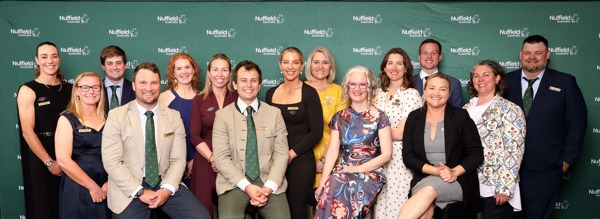
Claire’s full report, Thriving Farmers and Vibrant Communities: A Dynamic Duo for Agriculture, is available on the Nuffield Australia website. She presented her findings at the 2026 Nuffield National Conference in Darwin in September.
If this story raises concerns, support is available: Lifeline 13 11 14 | Rural Support Line 1300 686 175